
Marseille ‘Serviced Office Market’ Overview 2026
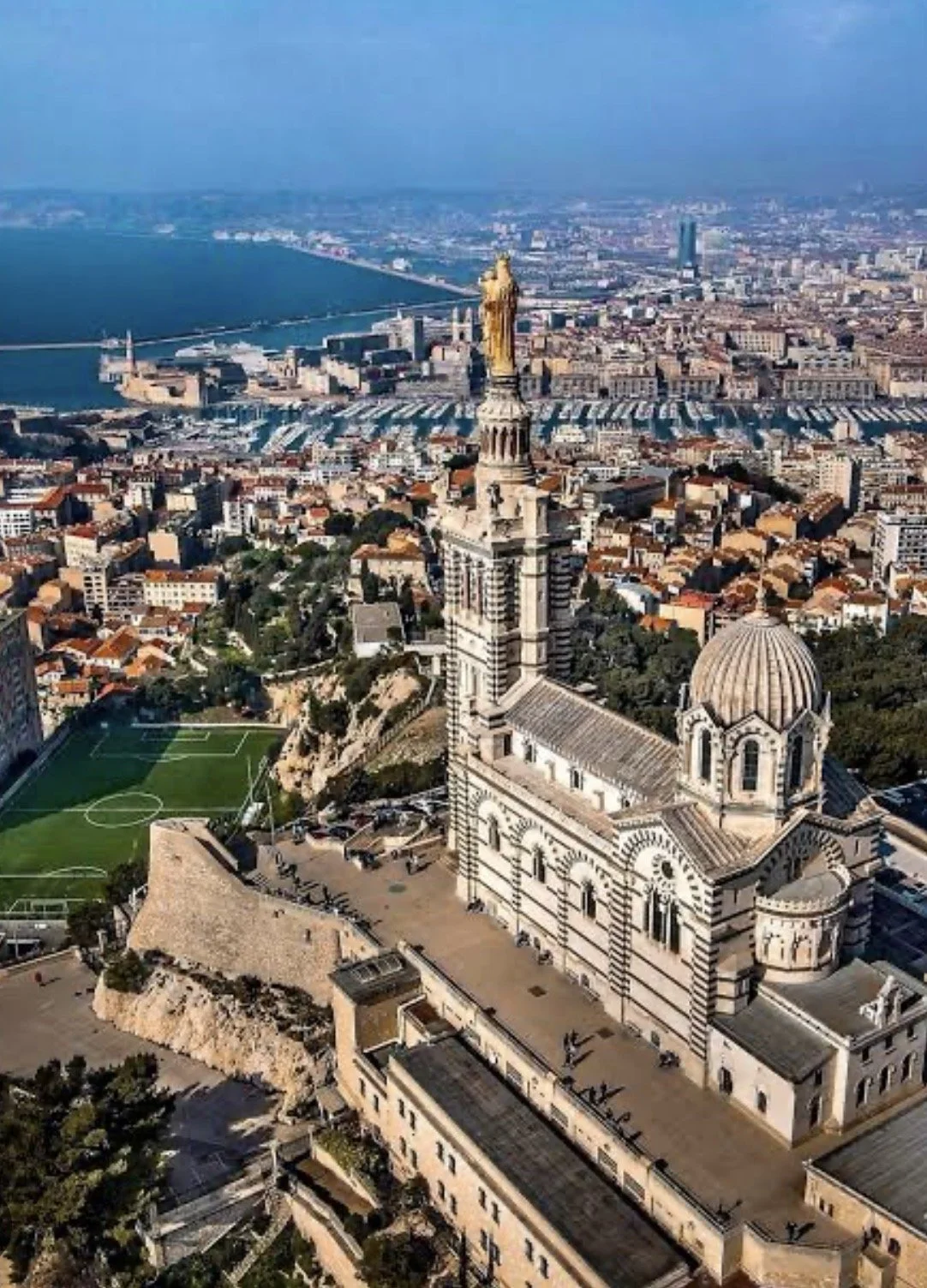
Marseille Cityscape
Today we are in the oldest city in France, a city older than Rome and founded in 600 BC by Greek traders from Phocaea. Home of to the largest port in France and the largest Mediterranean cruise terminal making it a logistical powerhouse connecting Europe, Africa and the Middle East.
Marseille….the home to Savon de Marseille, the iconic soap being made the same way for over 600 years born from olive oil, seawater and tradition.
Marseille is a fast‑developing flexible workspace market, driven by logistics, tech, maritime industries, energy, and companies expanding into Southern France. Fundamentally demand comes from a mix of start-up and practical SME occupiers shaped by entrepreneurs, creative industries, logistics and trade firms, digital agencies, remote workers, satellite offices, freelancers and sole traders. The vibe in the city and across the operators is informal, lifestyle driven and community orientated.
Marseille is the second largest city in France, its largest port and a major European hub for business. The economy revolves around shipping, logistics, maritime industries, tourism, healthcare, technology, media, regional services and those trading with North Africa.
The single biggest driver to demand is the decentralisation of business from Paris with many companies moving away from the City post-covid to benefit from lower costs, improved tech ecosystem and TGV connectivity. Operators see strongest demand in high quality, central, ESG and hybrid ready buildings.
Global operators are present, as are French operators like StartWay, Newton Offices and Multiburo, Now Marseille, The Babel Community, Le Loft and Smack Coworking. Local and boutique operators are strongest in La Joliette and Euromediterranee. Unlike Paris Marseille doesnt yet have overwhelming dominance from giant operators and is a good mix or local independents, French regional brands, boutique operators and hospitality hybrids. This fragmentation creates diversity, niche positioning and local character you don’t see in other cities.
Euromediterranee and La Joliette remains Marseilles flagship district for business and attracts most corporate offices, tech firms and innovation heady occupiers looking for modern Grade A buildings.
Vieux Port and City Centre is the heart of the premium flex office and strongest for start-ups, agencies, freelancers and creative firms. This area is the closest Marseille gets to a lifestyle district.
Prado in South Marseille was historically informal, low budget and community driven but that is changing and operators are increasingly competing on design, service, rooftop/event space, wellness and food/beverage integration.
The Babel Community concept in Marseille blends coworking, serviced apartments, coliving, restaurants, events and hospitality in one location and aligned to attract young professionals and hybrid workers, mobile entrepreneurs and international talents new to the city.
One of Marseilles biggest strengths its ability to attract digital professionals, remote workers, hybrid entrepreneurs and Paris transplants because of the Mediterranean lifestyle, lower living costs, climate and sea access.