
Managed Offices Explained: The Middle Ground Between Flexibility and Control
A managed office offers a middle ground between the flexibility of a serviced office and the control of a traditional lease. This option is quickly becoming one of the most popular choices in commercial real estate. If you haven't looked into it yet, now is a good time to start.
What exactly is a managed office?
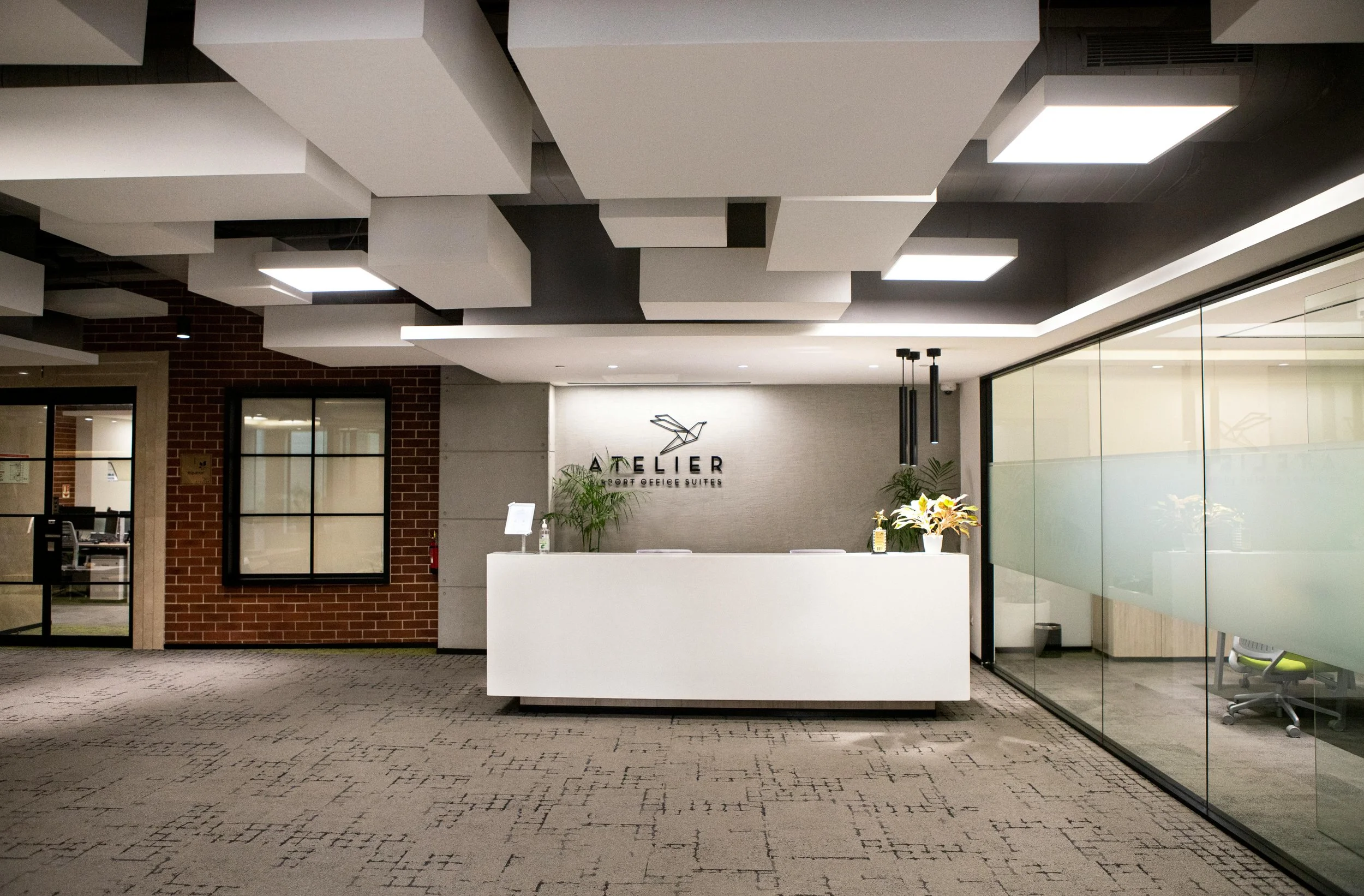
A managed office is a private, self-contained workspace designed, built, and run to your specifications, but located within a building or floor managed by a workspace provider. You have your own front door, branding, and layout. You don’t have to worry about the fit-out, buying furniture, setting up IT, or managing the building. The provider takes care of everything.
It’s like having a custom headquarters, but without the upfront costs, the hassle of managing a project, or a long-term property commitment.
Who is it for?
Managed offices are a good fit for businesses with 20 to over 200 employees that need a space that truly feels like their own. This could be for branding, confidentiality, or because the team has outgrown what a typical serviced office can offer.
These offices are especially popular with professional services, technology, and financial firms that want the quality and identity of a traditional headquarters, but also the easy management of a serviced office.
How does it differ from a serviced office?
In a serviced office, you work in a shared environment. The reception, breakout areas, and meeting rooms are all used by other tenants, too. This setup works well for many businesses, but if your organisation needs privacy, strong branding, or a unique workplace culture, it might not be the best fit.
A managed office offers privacy and lets you show your brand. The space is set up to match your needs, from the layout and furniture to the colours and technology. When visitors arrive, they see your brand, not the operator’s. Unlike a traditional lease, you don’t have to handle the fit-out costs, building management, or daily operations.
The commercial model
Managed offices usually come with an all-inclusive monthly fee, much like a serviced office, but the agreement often lasts 2 to 5 years. The provider handles the fit-out and recovers those costs over the contract period. This means you have a ready-to-use headquarters from day one, without needing to make a large upfront investment.
This model appeals to businesses that want to keep their cash flow strong or avoid locking money into assets that lose value over time. When you include the costs of fit-out, furniture, technology, and ongoing management, the total cost is often similar to, or even less than, a traditional lease.
What to watch out for
The managed office market is still quite new, so the quality of what’s available can vary widely. Some providers offer truly tailored solutions with high-level service, while others just provide a bigger serviced office and call it "managed."
It’s important to ask a few key questions: Who controls the design process? What happens when the term ends? Who owns the fit-out? What’s included in the monthly fee, and what costs extra? Most importantly, how does the provider manage technology, security, and building operations?
These aren't questions you can find answers to in a brochure. They call for careful research and, if possible, advice from someone who knows the managed office market well enough to spot genuine quality from mere marketing.
Is it right for your business?
If you want a workspace that aligns with your brand and culture, is easy to manage, and can evolve as your business grows, a managed office could be a great option.
At Global Office Partners, we help businesses in over 120 countries find and negotiate managed office solutions that truly fit their needs. We look at the whole market, not just the providers we know, so you can trust our recommendations.
Want to explore managed office options? Book a free consultation.